New global dataset expands access to local-scale SRM modeling


A newly launched open, global dataset aims to make it easier for researchers around the world to study the potential regional and local impacts of solar radiation modification (SRM). These projections help address a critical gap in data access in this space, and an accompanying white paper examines the governance considerations that shaped the project. This project responds to a well-established barrier for researchers, especially in the Global South, which limits learning about the potential risks and benefits of SRM at the local level, where climate impacts happen. Expanding access to this data can support more locally relevant research and broaden the evidence base for decision-making around SRM’s proposed development and future deployment or non-deployment.
Led by CarbonPlan, in partnership with the Alliance for Just Deliberation on Solar Geoengineering (DSG), Cornell University and the Degrees Initiative, the project targeted Stratospheric Aerosol Injection (SAI), the most well-studied SRM strategy. Using two distinct downscaling methods, the project generated daily data from two global climate models for critical climate variables: temperature (max/min/mean), precipitation, near-surface relative humidity, and surface downwelling shortwave radiation. These core variables provide information on how the climate may change when SAI is on or off (including abruptly), and serve as input for other impact models, such as on crop yields or vector-borne diseases. Additional technical details and project outputs are here.
When making SRM modeling more accessible, ask if and how is it usable and useful
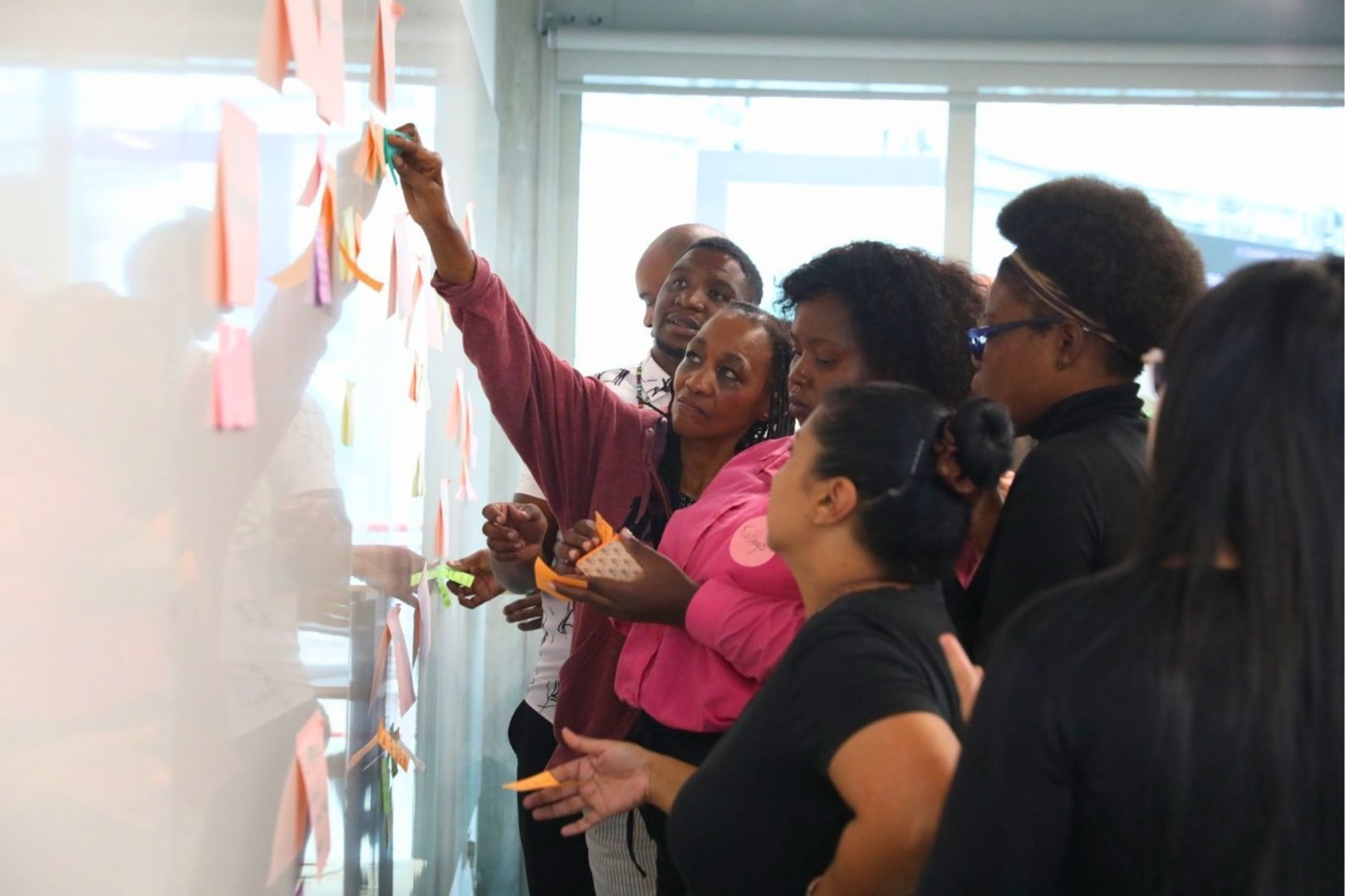
Many researchers in climate-vulnerable and under-resourced regions face financial, computational and bandwidth constraints affecting who can conduct SRM research and which regional questions become part of the evidence available to communities and policymakers. DSG supported this project in the design and facilitation of engagements with over 100 experts and stakeholders, including from civil society and social science. Additionally, DSG led the development of a white paper documenting how principles of good research governance were translated into practice, where there were challenges and constraints, and why.
Our role was underpinned by a central premise: decisions about models and data are not purely technical. Choices about scenarios, variables, methods, resolution, documentation and access tools help determine who can use a dataset, what questions they can investigate and which uncertainties remain visible.
Transparency and accountability inform better research design
We view this initiative as a case study. Lessons learned suggest that engagement is most meaningful and effective when it starts early enough to shape research design, involve stakeholders with different forms of expertise and influence the choices that will shape any derived scientific findings, policy decisions and action on these technologies.
The concerns raised during the convenings and beta-testing phase are presented, those addressed and not. The transparent documentation of the trade-offs behind the project decisions builds better understanding of what conclusions can be drawn up. The white paper reinforces that inclusive engagement is more than a step needed to optimize a technical product; these complementary activities expose the assumptions, limitations and social consequences surrounding its production and potential use that are informative for future research design, and how researchers might contend with them.
For DSG, this project reflects our commitment to ensuring that research carrying global implications is open to scrutiny, attentive to unequal research capacity, and informed by a wider range of scientific and societal perspectives. The dataset will hopefully enable more regional research, and critically, the governance questions surrounding how knowledge is produced, interpreted and used remain just as important as the technical outputs themselves.
Join Our Community
Stay informed about the latest developments in solar geoengineering and how you can make a difference. Subscribe to our newsletter for insights, updates, and opportunities to get involved.
Latest Posts
New global dataset expands access to local-scale SRM modeling
Community Engagement in Solar Radiation Modification: Lessons from Two Models
.jpg)

Readiness Is Not a Destination: Lessons from a Cross-Sector Dialogue

SRM as a Tool for Climate Security: Competitive Framing and its (Geo)Political Implications


Reading the Signals: Stardust and the Shape of an Emerging Field

.png)
From Taboo to Assumed: How Carbon Dioxide Removal Advanced Before Governance Could Keep Up and What It Means for SRM