
Stratospheric Aerosol Injection
Stratospheric aerosol injection (SAI) is a proposed solar geoengineering technique designed to cool the planet by reflecting a portion of sunlight back into space. The process involves releasing tiny reflective particles (aerosols), such as sulfates, into the stratosphere (~10–50 km above Earth’s surface). These particles scatter sunlight, reducing the amount of solar energy that reaches the planet. SAI is considered relatively inexpensive compared to other large-scale climate interventions, with some estimates suggesting it could cost in the low billions per year.

How Does SAI Work?
SAI works by forming a reflective aerosol layer in the stratosphere, which increases Earth’s overall albedo (reflectivity).
- Delivery Methods: Reflective particles could be released via high-altitude aircraft, balloons, or other systems.
- Particle Behavior: Once released, aerosols spread across the stratosphere, creating a thin layer that reflects sunlight before it reaches the Earth’s surface.
- Cooling Effect: This reduces global temperatures, counteracting some of the warming caused by greenhouse gas emissions.

Volcanoes: A Real-World Analogue
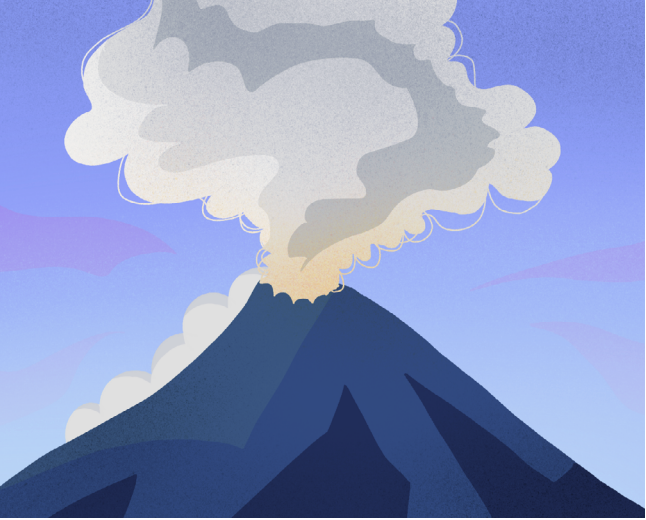
SAI mimics the natural cooling effects of volcanic eruptions, such as Mount Pinatubo in 1991, which lowered global temperatures by approximately 0.5°C for nearly two years after injecting 10-11 million tons of sulfur dioxide (SO₂) into the stratosphere. While this event demonstrates how injecting reflective particles into the stratosphere can lower global temperatures, it also highlights potential side effects, such as altered rainfall patterns and regional climate disruptions. For instance, Pinatubo’s eruption disrupted the Asian monsoon and reduced precipitation in some areas.
Scientific Potential of SAI
- Rapid Acting: SAI could reduce global temperatures within months, making it a fast-acting tool to address extreme climate impacts.
- Scalability: The technique is in theory, inherently scaled and adjusted to achieve targeted levels of cooling.
Risks and Challenges of SAI
- Environmental Risks:
- Disrupted rainfall patterns, including monsoon cycles, could lead to droughts or flooding, impacting agriculture and water availability.
- Sulfate aerosols could deplete the ozone layer, increasing harmful UV radiation exposure.
- Uneven Impacts:
- Cooling effects may not be evenly distributed, potentially causing harm to some regions.
- Temporary Nature:
- SAI does not reduce greenhouse gas concentrations. If stopped suddenly, temperatures could rebound rapidly (“termination shock”), causing severe climate disruptions.
- Social and Political Risks:
- SAI raises concerns about moral hazard, where reliance on technological fixes undermines emissions reduction; it also presents risks of geopolitical tension, misinformation, and public mistrust if deployed without inclusive, transparent governance.
Research Efforts
Most of what we know about SAI comes from climate modeling. Researchers have used advanced models to simulate the effects of injecting aerosols into the stratosphere, analyzing potential changes in global temperature, precipitation patterns, monsoon systems, and ozone chemistry. These simulations help identify both potential benefits and unintended consequences and are critical to understandingSAI’s possible role in the broader climate response. Several notable experiments have been proposed or conducted to explore the feasibility of SAI. In 2012, the UK’s Stratospheric Particle Injection forClimate Engineering (SPICE) project planned a balloon test to release water vapor as a precursor to studying aerosol dispersion, but it was canceled due to governance and ethical concerns.
More recently, Harvard’s Stratospheric Controlled Perturbation Experiment (SCoPEx) aimed to release small amounts of calcium carbonate into the stratosphere to study its reflective properties, but opposition from environmental groups and Indigenous communities in Sweden led to its cancellation in 2024. SAI offers a scientifically plausible way to temporarily reduce global temperatures, buying time to implement emissions reductions and carbon removal. However, it comes with significant environmental, social, and political risks and uncertainties. It does not address the root cause of climate change—greenhouse gas emissions—and should not be viewed as a standalone solution. Further research is needed to fully understand SAI’s feasibility, impacts, and role in the broader climate response.

Subscribe to our newsletter
Stay connected with DSG — get the latest news and insights delivered to your inbox.