
Why We Can’t Ignore Solar Geoengineering
Ensuring Justice and Informed Choices for Our Climate Future
The Climate Crisis is Here
The climate crisis is worsening, with the most vulnerable communities facing the harshest impacts.
Reducing and eliminating greenhouse gas emissions, scaling capacity to adapt, and removing
already-emitted carbon from the atmosphere are vital activities that should remain the focus. But
this may not be enough on to limit harm to people and ecosystems, especially in the short- and
medium-term. As global emissions continue to rise and climate goals fall short, some researchers
are exploring solar geoengineering (also known as solar radiation modification or SRM) as a
temporary way to help cool the planet.
Why Act Now?
Research on SRM is moving fast, and discussions about how to govern it responsibly are necessary. Without well-built frameworks and safeguards, SRM could create more harm than good, such as negatively affecting ecosystems, sparking global conflicts, or worsening inequalities for vulnerable communities.
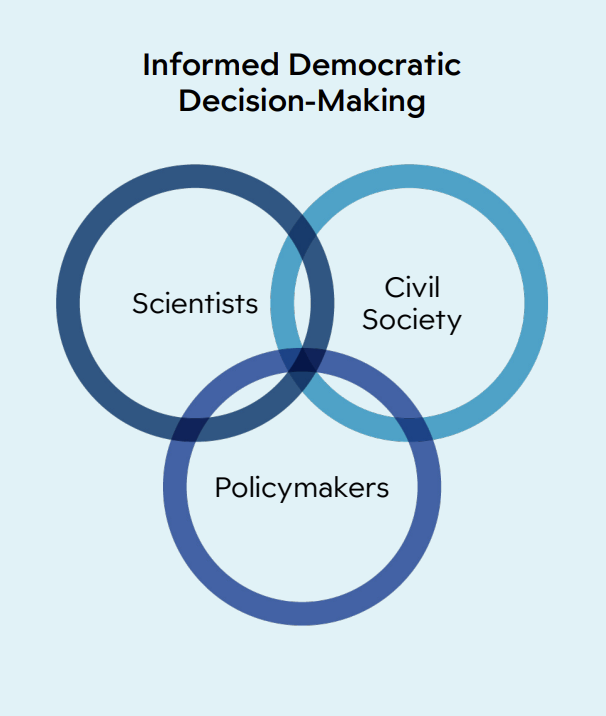
The debate today is polarized, with strong supporters and critics dominating the conversation on both ends of the spectrum. To move forward, we need balanced, justice-focused discussions that include communities most affected by climate change, particularly in the Global South. Transparent collaboration among policymakers, scientists, and civil society is critical to ensure democratic decision-making on a set of technologies that would impact the entire planet, if deployed.
Building a Just Future
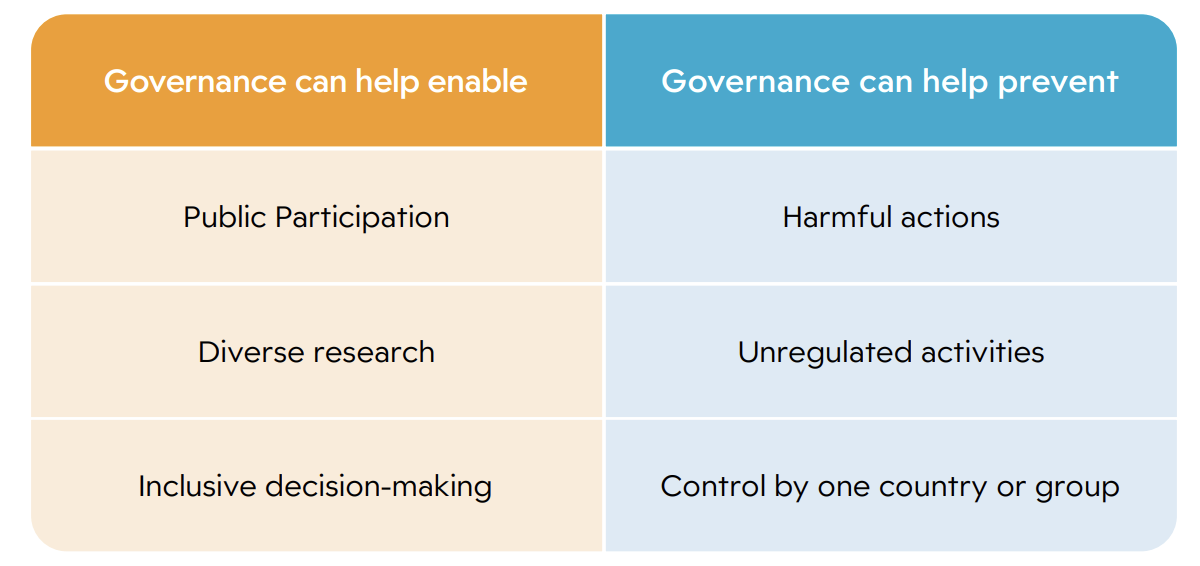
Starting these conversations now allows us to prepare for a future where decisions about SRM are guided by justice, equity, and transparency. Governance frameworks can enable activities like public participation and diverse research, and also help prevent harmful or unregulated actions, ensuring no single country or group controls these technologies.
Organizations like The Alliance for Just Deliberation for Solar Geoengineering are working to make SRM conversations more inclusive, empowering people to shape policies that prioritize climate justice and protect vulnerable communities.
Why It Matters
Beginning to discuss SRM now will enable us to make more informed decisions, whether in the near term or further into the future, grounded in science and ethics, with the aim of protecting the well-being of all communities. Delaying these discussions could leave decisions about SRM in the hands of unregulated entities or private interests. Engaging proactively today helps us shape are sponsible and ethical approach to SRM that prioritizes the public good.

Subscribe to our newsletter
Stay connected with DSG — get the latest news and insights delivered to your inbox.